

Identity Theft Prevention
Three free steps that help protect your identity.
- Time
- About 1 hour for all three
- Last reviewed
- Steps checked October 11, 2026
- Author
- By Jason Phillips, Founder
General information, not professional advice. You decide which steps fit your situation.
The short answer
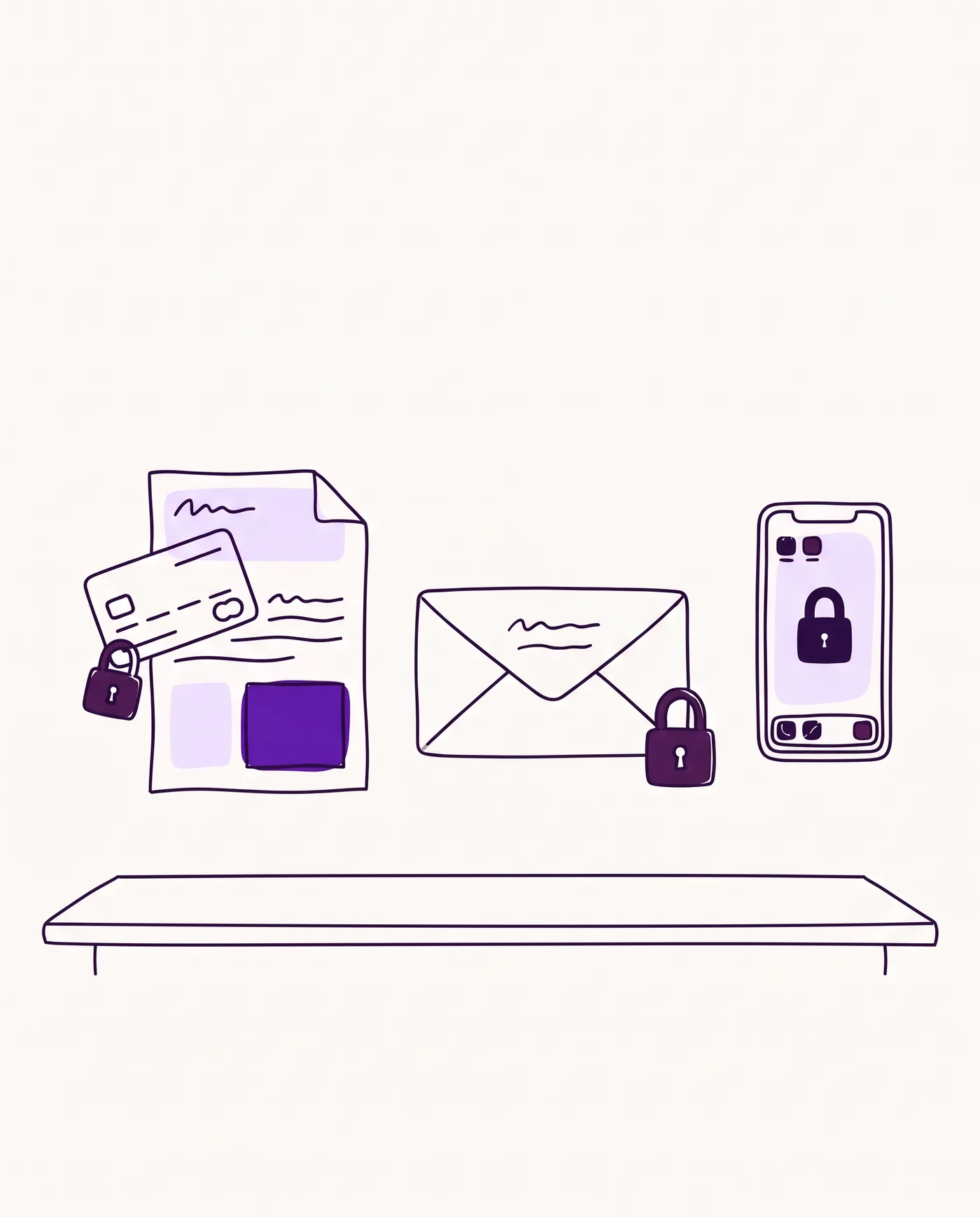
Three free locks stop the most common ways a stolen identity gets turned into cash: a credit freeze at all three credit bureaus, an IRS Identity Protection PIN on your tax return, and a lock on your phone number at your carrier. Together they take about an hour, and once set, they mostly stay set.
What you will need
- Your Social Security number
- Your recent addresses
- Your phone
- About an hour, in one sitting or three
Locks, not alarms
Most identity protection people pay for is monitoring. It watches for trouble and tells you after something has already happened. That has its place, but it is the alarm, not the lock.
The three steps in this series are locks. A thief who has your name, date of birth and Social Security number still cannot open new credit in your name, file a tax return as you, or move your phone number to their phone. Each lock is free, none of them hurts your credit, and you stay in control: you can lift or change any of them when you need to.
The three parts
Do them in this order. Each one stands on its own, so it is fine to do one tonight and the next one later this week.
- 1Freeze Your CreditHelps stop someone from opening new credit in your name. It's free and does not impact your credit score.About 20 minutes
- 2Lock Your Tax ReturnA six-digit code from the Internal Revenue Service (IRS) that helps stop anyone else from filing a tax return in your name.About 15 minutes, then a minute each year
- 3Lock Your Phone NumberHelps stop someone from moving your phone number to their phone and catching your login codes.About 10 minutes per account
If it has already happened
Speed matters more than anything, and there is no shame in this. It happens to careful people every day.
- Call the bank or card issuer directly, using the number on the back of the card, not a number someone gave you. Ask them to freeze or reverse the transaction.
- Go to IdentityTheft.gov, the Federal Trade Commission's official recovery site. It builds a personal recovery plan and the official report you will need.
- Freeze your credit right away if you have not already (Part 1).
- Change the password on your email first, then any account that uses that email to reset its password.
How can we make this clearer? Share your thoughts